
7 Costly Violations That Shut Down Local Businesses (And How to Pass Your First Try)
A failed fire marshal inspection doesn’t just mean a fine. It can trigger an immediate stop-work order or a business shutdown, costing thousands of dollars per day.
Most Sacramento business owners find out about their fire code problems the hard way. An inspector walks in, scans the ceiling, checks a few tags, and starts writing.
By the time the report is in your hands, you may be looking at a re-inspection, a fine, or a closure notice taped to your front door.
The good news? Almost every failure on the list below is preventable. They come down to dates, tags, and clear space. Not luck.
This checklist walks you through the seven violations that cause the most trouble for commercial properties in the Sacramento area, and exactly what to do about each one before the inspector arrives.

What a Failed Fire Inspection Really Costs
The fine is rarely the biggest bill. It’s everything that happens around it.
- Re-inspection fees and the hours you lose preparing for them.
- Corrective work done in a rush, usually at emergency pricing.
- Lost revenue if the inspector orders you to stop operating until a hazard is fixed.
- Insurance trouble, since carriers can ask for proof of compliance after a claim.
- Lease and permit delays when a landlord or city office wants a clean report.
For a restaurant, a single closed weekend can cost more than a full year of fire protection service.
The inspection is cheap. Being wrong about it isn’t.
Who shows up depends on where you are. Inside city limits, that’s usually the Sacramento Fire Department. In other parts of the county, it can be the Sacramento Metropolitan Fire District or another local fire district.
The rules come from the same place either way: the California Fire Code, California Title 19, and national standards like NFPA 10, NFPA 25, and NFPA 72.
The City of Sacramento publishes its own list of common fire code violations for business owners. Several items in this article come straight from it.
The 7 Deadliest Fire Code Violations in Sacramento
These are the problems that turn a routine walkthrough into a red tag. Check each one against your own building.
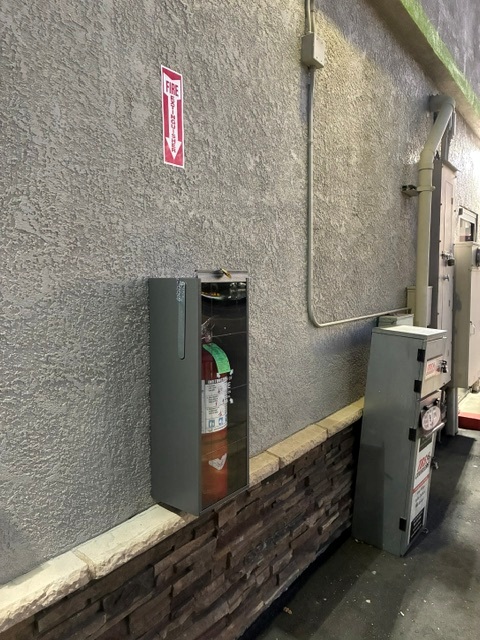
1. Expired Fire Extinguisher Tags and Missing Annual Inspection Stamps
This is the easiest violation for an inspector to spot, and the easiest one to prevent.
Every extinguisher carries a tag. That tag shows when it was last serviced and by whom. If the date is more than a year old, or the tag is missing, you fail. It really is that simple.
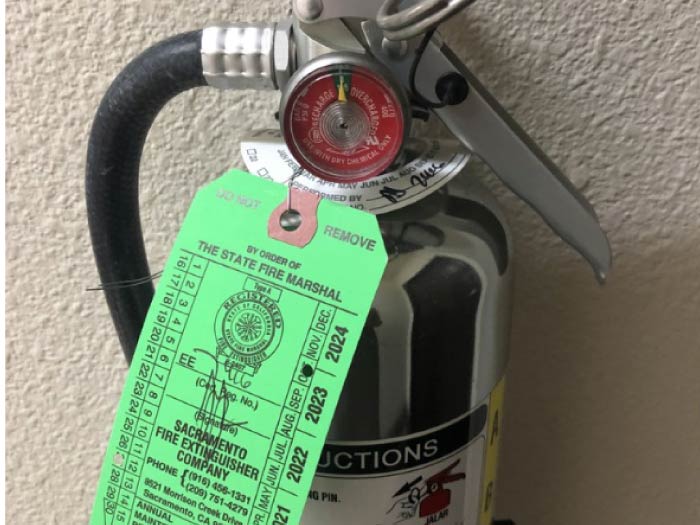
California requires two layers of checks:
- Monthly: a quick visual check by you or your staff. Is it in place? Is the gauge in the green? Is the pin and seal intact?
- Annually: a full inspection and tagging by a licensed technician.
Extinguishers must also be mounted or kept in a cabinet, and they must be easy to reach. One sitting on the floor behind a stack of boxes counts against you.
If you can’t tell when your extinguishers were last tagged, assume they’re overdue.
How to fix it: Book a certified fire extinguisher inspection and service and ask for a tag date schedule so you never lose track again. Not sure how often yours really need attention? Our fire inspections overview breaks down what’s required and when.

2. Kitchen Hood Suppression Systems Overdue for Semi-Annual Service
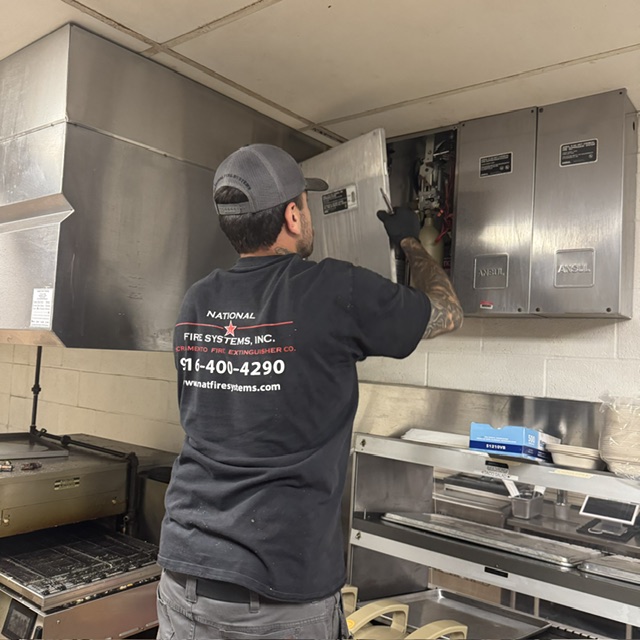
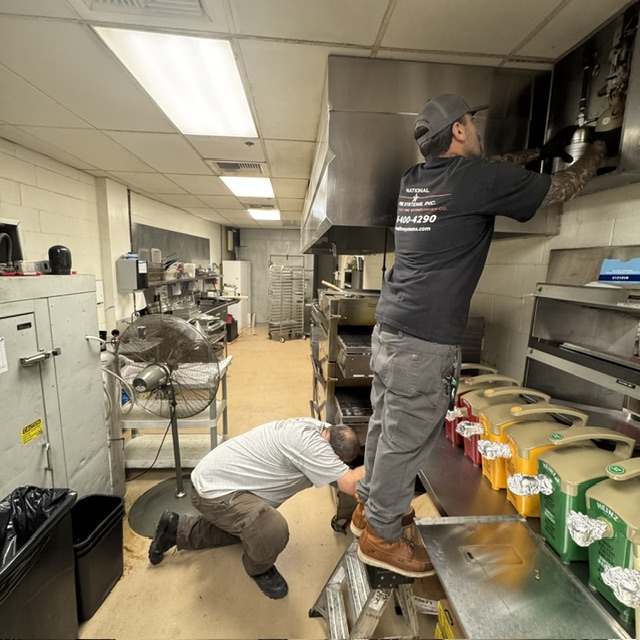
If you cook with oil, grease, or open flame, your hood suppression system has to be serviced every six months, and again after any activation.
Inspectors look for the service tag on the system. A tag older than six months is an instant finding.
They also check for a few related items:
- A Class K extinguisher near the cooking line.
- Hood and duct cleaning by a qualified provider.
- Nozzles that are capped and pointed at the right appliances.
- Fuel and electric shutoffs that actually work.
Grease fires spread quickly, and a neglected system may not discharge when it counts.
How to fix it: Put the six-month date on your calendar today, and schedule kitchen hood fire suppression service a few weeks early. If you’ve moved appliances or changed your menu, have the system re-evaluated.
3. Items Stored Too Close to Sprinkler Heads, Risers, and Electrical Panels
This one catches busy warehouses, retail stockrooms, and storage-heavy offices all the time.
A sprinkler spray pattern needs room to spread. Stack boxes too high, and the water hits cardboard instead of the fire.
Here are the clearances inspectors measure:
- 18 inches below sprinkler heads in sprinklered buildings.
- 24 inches from the ceiling in buildings without sprinklers.
- 36 inches of clear space in front of electrical panels.
- Clear access to sprinkler risers, control valves, and mechanical or electrical rooms. Those rooms aren’t storage.
Also watch for items hung from sprinkler piping, heads painted over during a remodel, and damaged or corroded heads.
If you can’t see the sprinkler head without moving something, an inspector will notice.
How to fix it: Walk your building with a tape measure. Mark the 18-inch line on shelving with tape so employees can see it. It takes about an hour and it can save you a failed inspection.

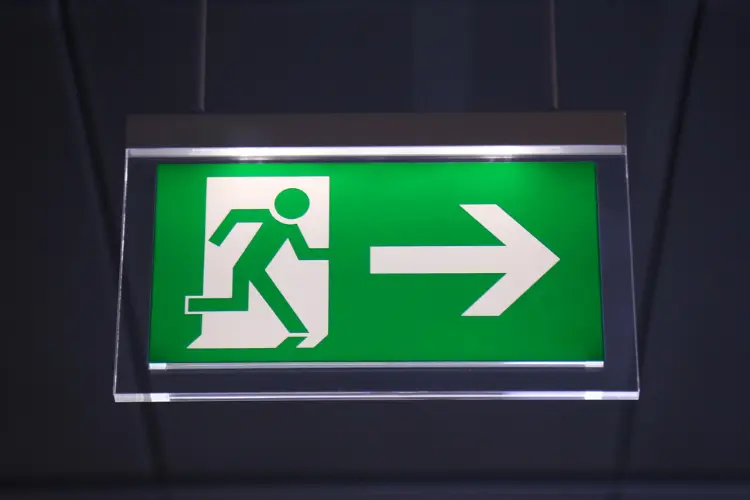
4. Emergency Lighting and Exit Signs Running on Dead Backup Batteries
An exit sign that lights up during normal hours isn’t proof it will work in a power outage.
Emergency lights and exit signs rely on backup batteries, and those batteries wear out. When the power goes out, a dead unit leaves people in the dark with no marked way out.
California inspectors expect nonworking or damaged emergency and exit lights to be repaired or replaced. Standard practice is:
- A short functional test every month.
- A longer, 90-minute test once a year.
- A written log showing the dates and results.
Common failures include burned-out bulbs, blank signs, swollen batteries, and units that have simply been unplugged.
How to fix it: Press the test button on every unit this week. Replace anything that dims, flickers, or stays dark. Keep a simple test log and have it ready for the inspector.
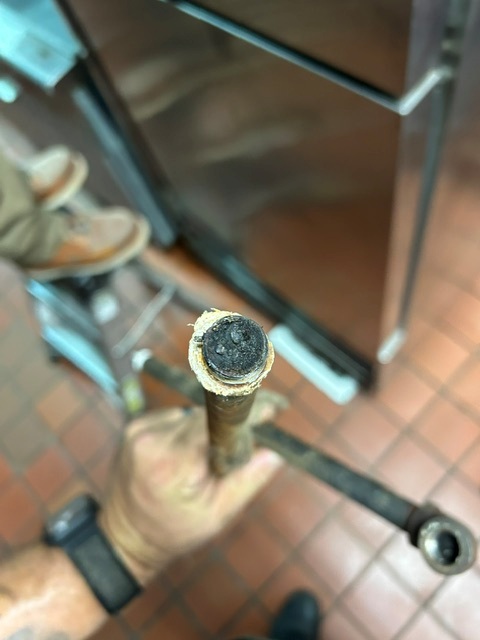
5. Uncertified DOT Hydrostatic Cylinder Testing
This one is easy to overlook, and it catches more businesses than you’d expect.
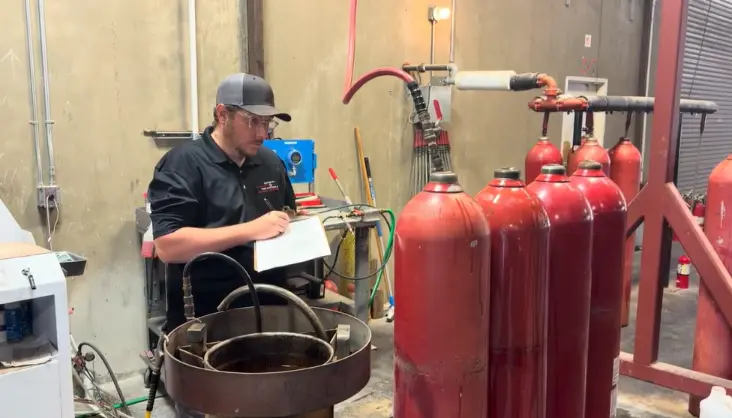
High-pressure cylinders, like CO2 extinguishers, clean agent system cylinders, and compressed gas tanks, must be pressure tested on a schedule. The process is called hydrostatic testing.
The cylinder is filled with water and pressurized well above its normal working level. The test checks for weak spots, leaks, and permanent expansion that can’t be seen from the outside.
Typical intervals run from 5 to 12 years, depending on the cylinder type. CO2 cylinders are commonly every 5 years.
The catch is who does the test. It must be performed by a facility holding the proper DOT authorization, and the cylinder must carry the correct test date stamp. A cylinder tested by an unqualified shop, or one with no recent stamp, can be flagged and removed from service.
Cylinders must also be secured upright so they can’t fall over.
How to fix it: Check the date stamped near the cylinder neck. If it’s out of date or unreadable, schedule DOT-certified hydrostatic cylinder testing with a licensed facility. We run these tests in-house, so there’s no shipping and no long wait.
6. Fire Alarm Systems With Trouble Signals or Overdue Testing
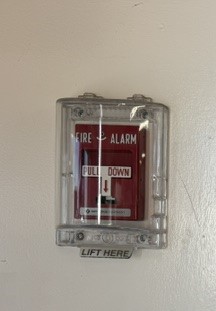
A fire alarm panel that’s beeping with a trouble signal isn’t “just annoying.” It’s a code issue.
Commercial fire alarm systems need regular inspection and testing by a licensed contractor, and inspectors want proof that it happened. They may also ask to see:
- Your most recent annual test report.
- A panel with no active trouble or supervisory signals.
- Detectors that are clean, uncovered, and not removed or bagged.
- Pull stations and horns/strobes that are unobstructed.
Covered smoke detectors left over from a construction project are a classic finding.
How to fix it: Silence is not the same as solved. Have a licensed technician clear the trouble signal and schedule a full fire alarm inspection and testing before your next walkthrough.
7. Fire Sprinkler Systems Missing Required Inspection and Testing
Sprinklers are your building’s silent bodyguard. But they only work if someone has checked them lately.
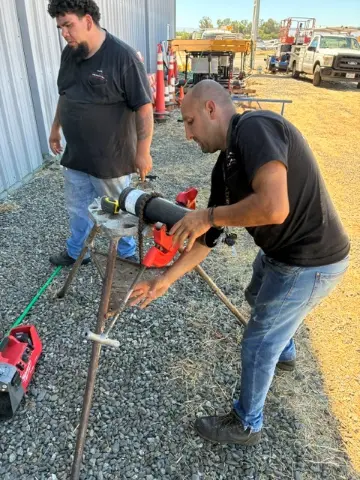
Under NFPA 25, sprinkler systems need routine inspection, testing, and maintenance. That includes valves, gauges, alarms, flow switches, and, at longer intervals, internal pipe checks.
The City of Sacramento also requires fire sprinkler, alarm, pump, and standpipe testing to be performed by a licensed contractor. Your own maintenance person can’t sign off on it.

Watch for these red flags:
- A tag or report that’s more than a year old.
- Closed or unsupervised control valves.
- Gauges reading zero or out of range.
- Corroded, leaking, or painted sprinkler heads.
How to fix it: Schedule a professional fire sprinkler inspection and keep every report in one binder, digital or paper. When the inspector asks for records, you’ll hand them over in seconds.
Quick Reference: How Often Does Each Item Need Attention?
Use this table as a cheat sheet. Frequencies are the common baseline. Your building type, local fire district, and insurer may require more.
| Item | Typical Frequency | Who Does It | What the Inspector Looks For |
|---|---|---|---|
| Fire extinguishers | Monthly check, annual service | Staff (monthly), licensed technician (annual) | Current tag, full gauge, clear access |
| Kitchen hood suppression | Every 6 months | Licensed technician | Service tag under 6 months old |
| Sprinkler clearance | Ongoing | You and your staff | 18 inches below heads, clear risers |
| Emergency lighting and exit signs | Monthly test, annual 90-minute test | Staff or technician | Working lights, test log |
| Hydrostatic cylinder testing | Every 5 to 12 years, by type | DOT-authorized facility | Valid test date stamp |
| Fire alarm system | Annual testing | Licensed contractor | No trouble signals, test report |
| Fire sprinkler system | Routine plus annual testing | Licensed contractor | Open valves, normal gauges, current tag |
Bonus: Other Things Inspectors Check While They’re There
Once the inspector is inside, they don’t stop at the seven items above. These smaller issues show up on reports constantly:
- Blocked or locked exits. Exit doors must open easily, with no pin-and-bolt locks.
- Doors propped open. Remove door stops from fire-rated doors.
- Extension cords used as permanent wiring, and power strips plugged into power strips.
- Fire lanes. Signs must be posted and the lane kept clear.
- Building address. It has to be visible from the street.
None of these are expensive to fix. They just need someone to look.
How to Pass Your Fire Inspection on the First Try
You don’t need a perfect building. You need a prepared one. Follow this order of operations.
Step 1: Do a walk-through 30 days before
Go room by room with a clipboard. Check every tag date, every light, every clearance. Write down anything that’s off.
Step 2: Fix the paperwork problems first
Overdue tags and missing reports take the longest to resolve, because they depend on a technician’s schedule. Book those first.
Step 3: Fix the physical problems second
Moving boxes, replacing a battery, and clearing an exit path are things your own team can do in a day.
Step 4: Put your records in one place
Keep service reports, test logs, and tag records in a single binder or shared folder. Inspectors notice organized businesses, and they tend to treat them more kindly.
Step 5: Hire a licensed pro for the high-stakes systems
Extinguishers, hood systems, alarms, sprinklers, and cylinder testing all require a licensed provider. Using one company for everything means one schedule, one set of records, and fewer missed dates.
The cheapest time to fix a violation is before anyone writes it down.
Frequently Asked Questions (FAQs)
How often are commercial fire inspections done in Sacramento?
Who is allowed to service fire extinguishers in California?
What happens if I fail a fire inspection?
Do I need a hood suppression system if I only have a small kitchen?
Can I test my own emergency lights?
How do I know if my cylinder needs hydrostatic testing?
Don’t Wait for the Fire Marshal to Red-Tag Your Facility
Every violation in this article has the same solution: a licensed professional, a calendar date, and a bit of attention before the inspector shows up.
National Fire Systems, Inc. has served Sacramento-area businesses since 1946. We handle extinguishers, kitchen hood systems, cylinder testing, and more under one roof, with our own licensed technicians.
Call National Fire Systems at (916) 400-4290 or schedule your certified compliance audit online today.
One visit. One team. Every system documented, so you pass the first time.