The ABCDK Safety Guide
If you own or manage a commercial property, restaurant, or industrial facility in Northern California, you walk past fire cylinders on your walls every single day. You likely know the basics of how to pull the pin and squeeze the lever.
However, have you ever closely reviewed the letters printed on the front label? Understanding fire ratings is crucial for protecting your staff, facility, and capital investments during an emergency.
Understanding Fire Safety Fundamentals
Fire protection is never a one-size-fits-all strategy
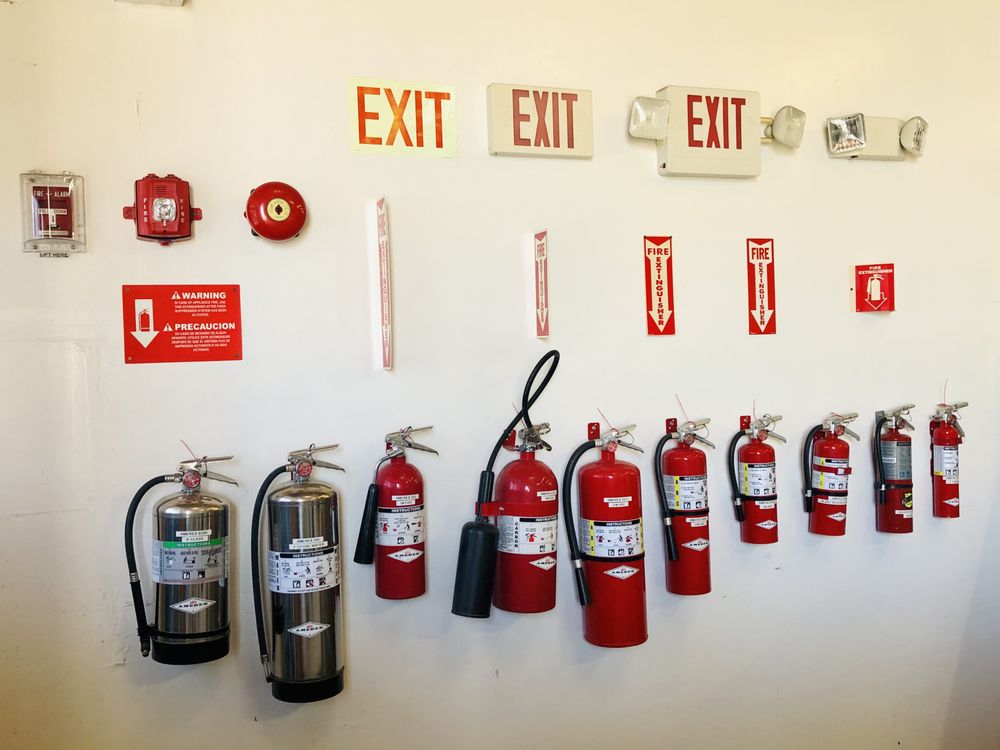
To select the right equipment, you first need to ask: What are the 5 fire extinguisher classes?
The National Fire Protection Association (NFPA) categorizes fires into five distinct classes—A, B, C, D, and K—based on the fuel source involved
.
Equipping your building with standard

The ABCDK Breakdown of Fire Extinguisher Classes
Different environments face vastly different hazards
| Fire Class | Primary Hazards & Fuel Sources | Typical Environments | Recommended Solution |
|---|---|---|---|
| Class A | Wood, paper, cloth, trash, rubber, plastics | Offices, retail spaces, classrooms, storage | Water, water mist, or multipurpose ABC dry chemical |
| Class B | Gasoline, diesel, solvents, oil-based paints, propane | Auto repair shops, manufacturing, fueling spots | Carbon Dioxide (CO₂) or dry chemical agents |
| Class C | Energized electrical equipment, wiring, servers | Data centers, electrical rooms, offices | Non-conductive agents (CO₂, clean agents) |
| Class D | Combustible metals (magnesium, titanium, sodium) | Laboratories, machine shops, industrial plants | Specialized Dry Powder extinguishing agents |
| Class K | Commercial cooking oils, fats, vegetable greases | Restaurant kitchens, cafeterias, food trucks | Wet chemical potassium acetate foam spray |
Class A: Ordinary Combustibles
Class A fires involve standard solid materials like paper, cardboard, wood, textiles, and many hard plastics. These are the most common fires found in everyday office settings, retail stores, and school buildings. Water, water mist, or general-purpose ABC dry chemical agents effectively cool and smother these fires.
Class B: Flammable Liquids and Gases
Class B fires involve flammable liquids like gasoline, petroleum oil, paints, solvents, and flammable gases like propane or butane. These hazards frequently exist in auto shops and manufacturing facilities.
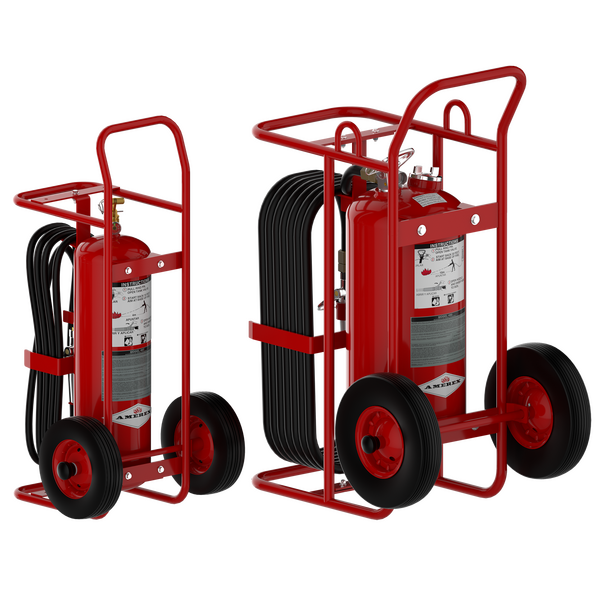
Never use water on a Class B fire, as it will spread the burning fuel. Instead, use dry chemical agents or schedule regular CO2 cylinder refills for your carbon dioxide units. For larger industrial footprints, specialized Wheeled Fire Extinguishers provide the high-capacity suppression needed to handle sudden chemical spills.
Class C: Energized Electrical Equipment
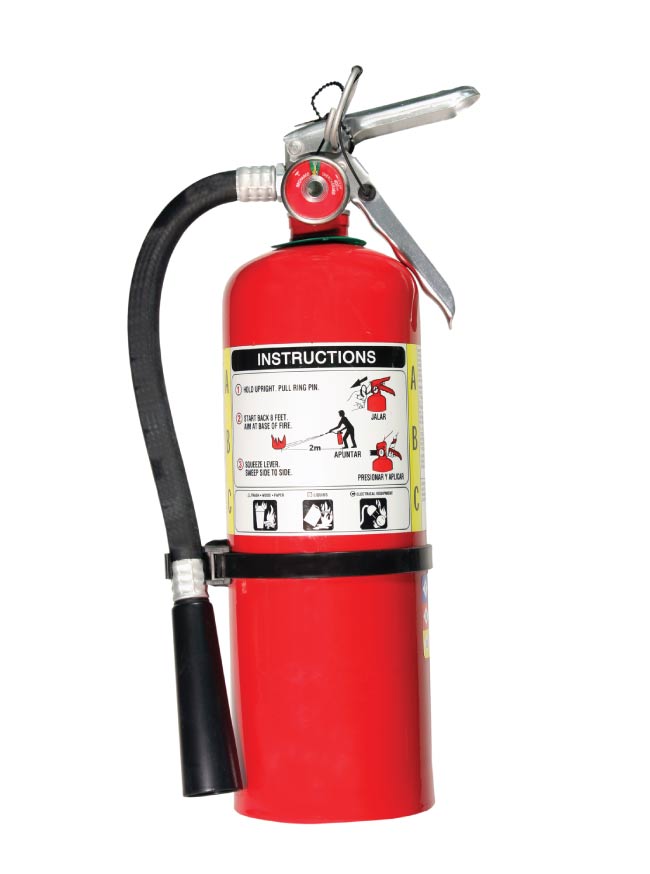
Class C fires involve live electrical wiring, circuit breakers, server racks, and heavy machinery
Extinguishers rated for Class C use non-conductive extinguishing agents like clean agents or carbon dioxide
Class D: Combustible Metals
Class D fires involve volatile combustible metals such as magnesium, titanium, potassium, sodium, and lithium
They require specialized dry powder agents that smother the flames and absorb extreme chemical heat without causing violent reactions
Class K: Commercial Kitchen Media
Class K fires involve high-temperature cooking media, such as vegetable oils, animal fats, and deep-fryer greases. Standard ABC extinguishers cannot handle these extreme heat levels and can cause dangerous splashback.
Commercial kitchens require specialized wet chemical foam systems. If you manage a dining establishment, pairing manual extinguishers with automated Kitchen Hood Fire Suppression systems or specialized Food Truck Fire Suppression setups ensures complete perimeter defense.
Decoding Fire Ratings, Numbers, and Types
When choosing safety equipment, ‘what are the 5 fire extinguisher classes?’ is only part of the equation. You must also understand fire ratings and chemical types.
The numbers printed before the letters indicate the extinguisher’s fighting capacity. For example, in a 3-A:40-B:C rating:
-
The 3-A means it has three times the extinguishing power of a baseline 1-A unit on wood and paper.
-
The 40-B indicates it can cover 40 square feet of flammable liquid flames.
-
The C simply confirms the agent is non-conductive and safe for live power equipment.
Relying on a single multipurpose unit for an entire complex is a common mistake
California Title 19 Compliance & Maintenance Rules
Installing the correct fire cylinders is only the first step toward facility safety
To stay fully compliant with local fire marshals, your maintenance schedule must include:
-
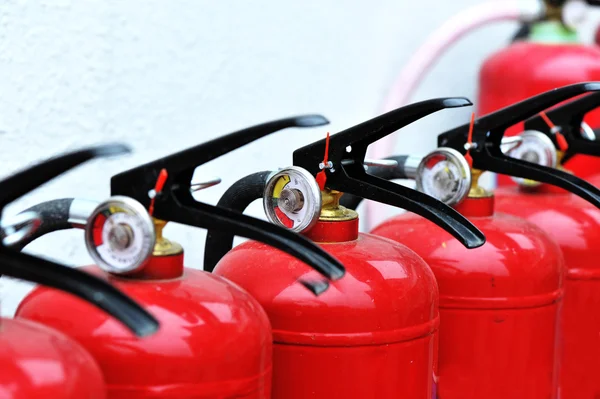
Monthly Visual Checks: Confirm that pressure gauges are in the green zone, pull pins remain intact, and units are unobstructed
-
Annual Professional Testing: Comprehensive yearly inspections and California State Fire Marshal-certified tagging through a professional
Fire Extinguisher Service -
Routine Hydrostatic Pressure Testing: Structural cylinder integrity checks are conducted every 5 to 12 years via professional
Hydrostatic Cylinder Testing -
Timely Recharging: Completing a full
Fire Extinguisher Recharge
Building owners should also verify that their equipment aligns with national life safety standards established by the

Protecting Your Northern California Business
At National Fire Systems, Inc., we have been keeping businesses safe, compliant, and fully protected since 1946
As a multi-generational, family-owned business based in Sacramento, we provide comprehensive life safety solutions for commercial facilities, industrial plants, and dining establishments throughout Northern California
.
Our licensed technicians handle everything from fire extinguisher maintenance and hydrostatic testing to complete fire sprinkler and kitchen suppression system installations
Don’t wait for a surprise fire marshal inspection to evaluate your facility’s defense plan
Frequently Asked Questions (FAQs)
What is the most common type of fire extinguisher for businesses?
The most common unit is the multipurpose ABC dry chemical fire extinguisher. It handles ordinary combustibles, flammable liquids, and live electrical hazards, making it ideal for general office hallways and retail spaces.
Can you use a Class A fire extinguisher on an electrical fire?
No, you should never use a plain Class A water extinguisher on an electrical fire. Water conducts electricity, which creates a severe risk of electrocution or electrical shock.
What is the difference between Class B and Class K fires?
Class B fires involve general flammable liquids like gasoline or solvents. Class K fires specifically involve high-temperature vegetable oils and animal fats used in commercial cooking equipment, which require saponifying wet chemical agents.
How often do commercial fire extinguishers need to be inspected in California?
California Title 19 requires monthly visual inspections by facility staff and thorough annual inspections performed by a licensed fire protection technician. Internal maintenance and hydrostatic testing are required every 5 or 12 years depending on the unit type.
How do I know which fire extinguisher class I need for my facility?
Your required fire extinguisher classes depend entirely on the hazards present in your building. A professional fire protection audit will assess your facility’s risk zones to ensure full code compliance and optimal safety.